How to Tell If Your Car Needs Paint Repair or a Full Repaint
Assessing Your Car: Paint Repair or Full Repaint?
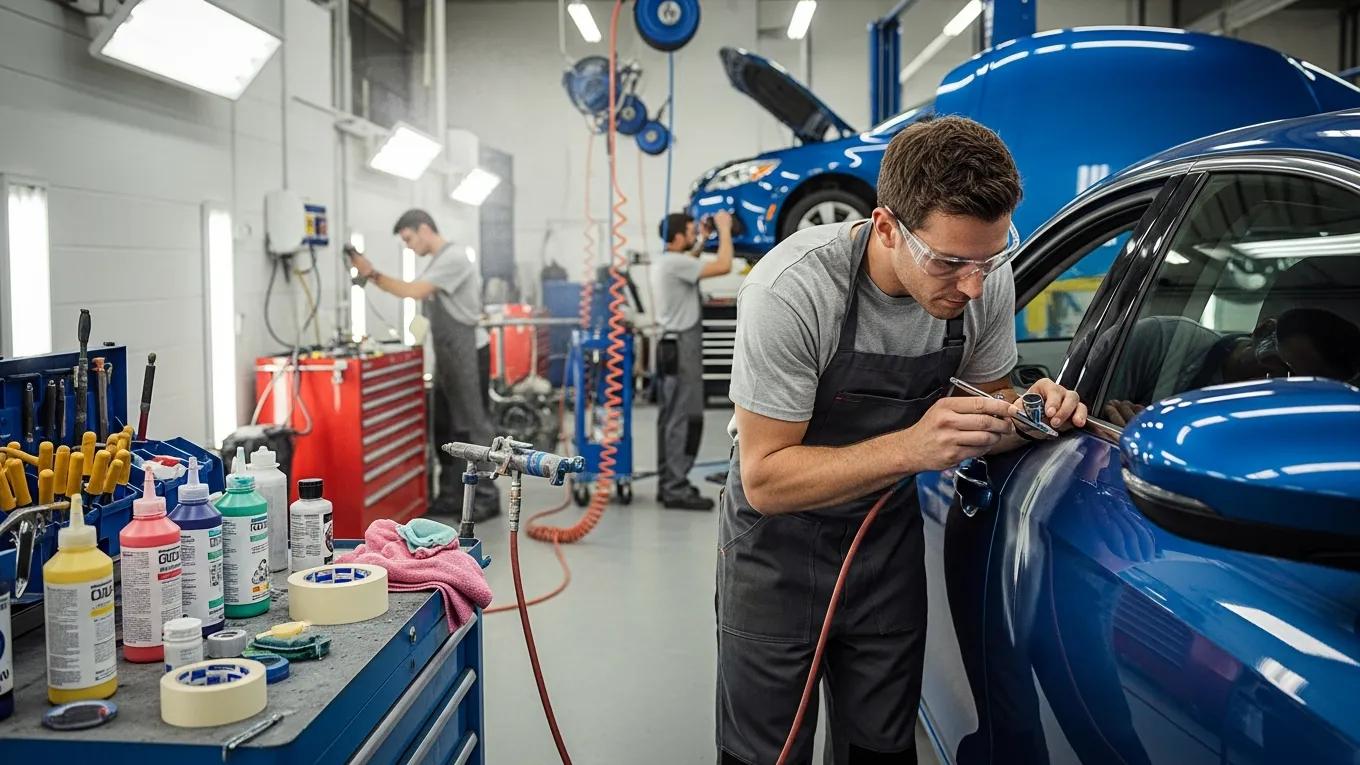
Determining whether a vehicle requires paint repair or a full repaint can be challenging for many owners. Recognising the severity of paint damage is essential to making an informed choice. This article provides the guidance needed to evaluate your vehicle’s paint condition, outlines professional assessment methods, describes common types of damage, and presents appropriate repair solutions. From scratches and chips to oxidation, understanding when to engage professionals can reduce cost and downtime.
Signs of Paint Damage
Early detection of paint damage preserves appearance and resale value. Typical indicators include surface abrasions, deeper gouges, and areas where the finish has deteriorated.
- Surface Scratches: These are minor abrasions that can often be polished out without much hassle.
- Deep Scratches: These indications of more severe damage usually require touch-up paint or professional repair.
- Chips and Gouges: Often caused by debris, chips can expose the metal beneath, leading to rust if left untreated.
Identifying these signs promptly enables targeted repairs and prevents further deterioration.
Methods for Professional Assessment
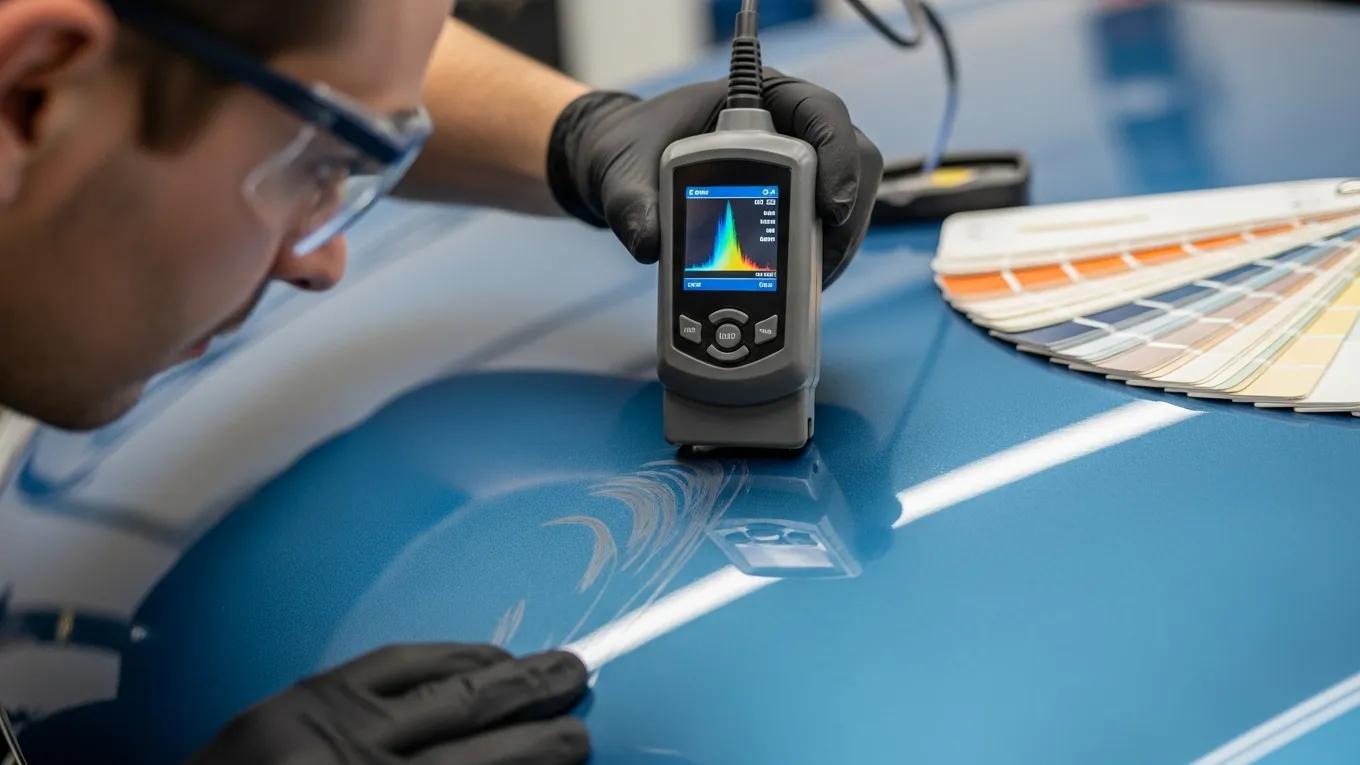
Technicians apply systematic methods to assess paint condition accurately. Common approaches include detailed visual inspections, precise colour matching, and evaluation of repair options to determine the most suitable intervention.
- Visual Inspection: Experienced technicians can quickly identify signs of damage through careful observation.
- Color Matching: This ensures any repairs blend seamlessly with the existing paint.
- Repair Techniques: Different approaches, like spot repairs and full-dimension inspections, help determine the best solution for the situation.
These assessment techniques enable reliable recommendations on whether a repair or a complete repaint is warranted.
Available Repair Solutions
Repair options depend on damage severity. Typical methods range from localized touch-up work to partial or full repaints, each with differing cost and time requirements.
Comparing these options against the damage to your vehicle will help determine the most effective and economical course of action.
Benefits of Timely Repairs
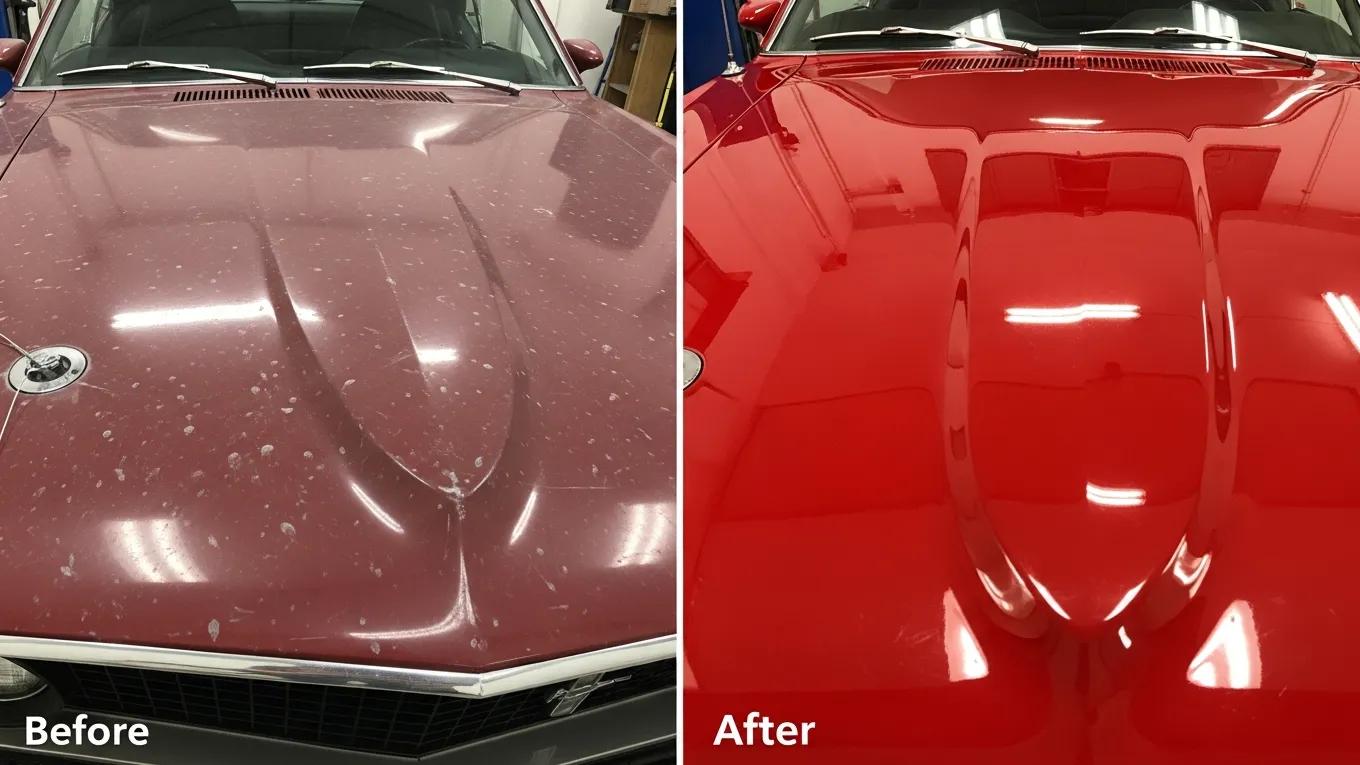
Prompt attention to paint damage delivers clear benefits for vehicle condition and ownership costs.
- Prevention of Rust and Corrosion: Early repairs protect underlying metal from the elements.
- Maintaining Resale Value: A well-maintained exterior can significantly enhance the resale price.
- Improving Aesthetics: Fresh paint work can dramatically improve your vehicle’s appearance.
Addressing issues early reduces the likelihood of more extensive and costly repairs later.
Choosing the Right Service
When selecting a paint repair provider, evaluate credentials, previous work, and material quality to ensure durable results and consistent colour matching.
- Experience of Service Providers: Look for professionals with a robust portfolio and positive reviews.
- Quality of Materials Used: Ensure that the service utilizes high-quality paint and products to ensure longevity.
- Customer Reviews: Feedback from previous clients can provide insights into service efficiency and results.
Selecting a reputable service like Cosmetic Auto Masters can make all the difference in your vehicle’s finish.
What Are the Common Types of Car Paint Damage and Their Indicators?
Classifying paint damage helps determine the appropriate repair method. Common categories include surface scratches, paint-level scratches, deep abrasions, chips, fading, and oxidation.
Surface Scratches
Surface scratches affect only the clear coat and are the least severe. They are often removable with polishing or light abrasion correction.
Paint Scratches
Paint scratches penetrate the paint layer but do not reach the bare metal. These typically respond well to touch-up paint or targeted refinishing.
Deep Scratches
Deep scratches expose the metal substrate and generally require professional restoration to prevent corrosion and restore the finish properly.
Chips
Paint chips leave exposed areas that can develop rust if untreated. Prompt repair of chips reduces the risk of further corrosion and larger repairs. For additional guidance, consult auto scratch repair service companies in Charlotte, NC.
Fading
Fading results from extended UV exposure and manifests as reduced colour saturation. Restoration techniques can recover some vibrancy depending on the extent of degradation.
Oxidation
Oxidation produces a chalky, dull appearance and signals that the finish requires maintenance or possible repainting. Early recognition improves restoration outcomes.
How to Identify Scratches, Chips, and Clear Coat Damage on Your Vehicle
Begin with a detailed visual inspection in consistent lighting, then perform a touch test to detect texture differences and identify deeper defects.
What Are the Visible Signs That Suggest Paint Fading or Extensive Damage?
Visible indicators of fading or severe damage include diminished colour intensity, a loss of gloss, and chalky oxidation patches.
- Fading Color: Dull or washed-out paint indicates UV damage.
- Loss of Gloss: A shiny surface reduces clarity and beauty.
- Visible Oxidation Patterns: Chalky patches signal severe deterioration.
Awareness of these signs will guide you to seek timely professional assessment and appropriate remedial action.
When Should You Choose Auto Paint Repair Services Versus a Complete Repaint?
The decision between repair and full repaint is based on cost, damage extent, and time available; minor, localized damage is usually suited to repair, while extensive deterioration often justifies a full repaint.
- Cost Considerations: Repair options are generally more affordable, while full repaints are suitable for extensive damage.
- Damage Severity: Substantial damage often justifies a complete repaint.
- Time Required for Repairs: Consider your availability and the time each option requires for completion; repairs are generally quicker.
What Are the Key Differences Between Paint Repair and Full Repainting?
Paint repair addresses specific damaged areas and preserves most of the original finish; a full repaint restores the entire vehicle surface to achieve uniform colour and gloss.
How Does the Extent of Damage Affect the Service Recommendation?
Service recommendations follow the severity of damage: minor defects typically merit touch-up or spot repair, whereas widespread damage may require panel-level or full-vehicle repainting.
How Much Does Paint Repair Cost Compared to a Full Car Repaint in Charlotte, NC?
Local costs vary, but typical ranges illustrate the difference between minor repairs and larger jobs.
- The average price for surface scratch repair typically ranges from $100 – $500.
- Full panel repainting may range from $500 – $3,500.
Actual costs depend on the vehicle, extent of work required, and selected materials and processes.
What Factors Influence the Cost of Car Paint Repair Services?
Several factors affect repair cost, including the depth and location of damage, the repair method chosen, and prevailing market conditions for labour and materials.
- Depth and Location of Scratches: The severity impacts the complexity of repair.
- Types of Repair Needed: Different repair types have varying costs and time requirements.
- Local Market Conditions: Prices may fluctuate based on demand and material costs in your area.
Considering these elements will help set realistic budget expectations; for professional evaluation, consult companies specializing in auto paint repair.
How Does the Cost of a Complete Repaint Compare and When Is It Justified?
A complete repaint incurs higher labour and material costs and is generally justified when damage is extensive or when a uniform, factory-quality finish is required.
Why Choose Cosmetic Auto Masters for Professional Auto Paint Repair in Charlotte, NC?
Cosmetic Auto Masters is recognised for its focus on quality workmanship and customer satisfaction, applying established techniques to restore vehicle finishes effectively.
What Expertise and Techniques Does Cosmetic Auto Masters Offer for Paint Restoration?
The team employs experienced technicians skilled in procedures such as clear coat application and precise colour matching to ensure repairs integrate with the existing finish.
How Do Customer Testimonials Reflect Our Commitment to Satisfaction?
Customer testimonials provide independent confirmation of service quality and satisfaction, illustrating consistent results and positive client experiences.
How to Assess Your Vehicle’s Paint Damage Before Booking a Repair or Repaint Service?
Perform a careful visual inspection and record any blemishes or areas of concern to support a focused discussion with repair professionals.
What DIY Inspection Steps Can Help Determine Paint Condition Accurately?
Practical DIY inspection steps include a close visual survey, a tactile check for surface irregularities, and assessment of the clear coat’s gloss to identify oxidation or dulling.
- Conducting a Visual Examination: Look for scratches, chips, and fading.
- Performing a Touch Test: Feel for uneven surfaces that may indicate deeper damage.
- Examining Clear Coat: Assess the glossiness of the paint to detect oxidation.
These steps provide a reliable baseline to determine whether professional intervention is necessary.
When Should You Seek a Professional Evaluation for Your Vehicle’s Paint?
Seek professional evaluation when you observe deep scratches, sustained fading, widespread oxidation, or any damage that could expose metal and lead to corrosion.
Frequently Asked Questions
1. What are the common causes of car paint damage?
Car paint deteriorates due to environmental exposure—UV radiation, precipitation, and airborne debris—along with physical impacts from stones or branches. Improper cleaning techniques and abrasive products can also abrade the finish, while chemical pollutants accelerate oxidation and fading. Recognising these causes supports effective preventative care.
2. How can I maintain my car’s paint after a repair?
After a repair, allow adequate curing time—avoid washing for the period recommended by the repair facility—then maintain the finish with regular washing, periodic waxing, and sheltered parking to limit UV exposure. Promptly inspect and address new damage to preserve the repaired area.
3. How can I tell if a paint repair was done professionally?
Professional repairs exhibit smooth, consistent finishes with accurate colour match and clean edges around repaired areas. Absence of overspray, minimal texture irregularities, and provision of a warranty are additional indicators of quality workmanship.
4. Is it possible to remove scratches from my car without a professional?
Minor surface scratches can often be improved with quality scratch removers or polish. Clean the area thoroughly, apply the product per instructions, and work carefully to restore the gloss. Deeper scratches that penetrate the paint layer should be evaluated by a professional to avoid worsening the damage.
5. What is the typical lifespan of a car paint job?
The longevity of a paint job depends on paint type, environmental exposure, and maintenance. A well-executed paint job commonly lasts five to ten years; consistent care and protection can extend this period, while harsh conditions may shorten it.
6. Can I repaint my car a different color?
Repainting to a different colour is feasible but typically requires a full-vehicle repaint to achieve uniform coverage. The process involves preparation, masking or removal of existing finish, and professional application to ensure quality and longevity. Consider effects on resale value when changing the original colour.
7. What should I consider before taking my car for paint repair?
Before authorising repairs, assess damage extent, set a realistic budget, and review provider credentials and past work. Inquire about warranties and the materials to be used so you can compare value and expected longevity. Clear expectations and researched choices support better outcomes.
Conclusion
Accurately distinguishing between paint repair and a full repaint preserves your vehicle’s appearance and value. By recognising damage indicators, understanding available repair options, and consulting reputable professionals, you can make informed decisions that prevent escalation. Contact a trusted service provider to obtain a precise assessment and the appropriate remedial plan for your vehicle.